
What Ofsted Expects, What to Write, and How to Keep Them Manageable
For many aspiring childminders, risk assessments are one of the most intimidating parts of registration.
They sound formal.
They sound complicated.
And many people worry they’ll “get them wrong”.
The truth is far simpler.
Ofsted isn’t expecting lengthy documents filled with technical language. They want to see that you can identify risks, reduce them, and review them regularly, that’s it.
This guide breaks risk assessments down into a simple, practical system you can actually manage alongside running your business.
What Is a Risk Assessment in Childminding?
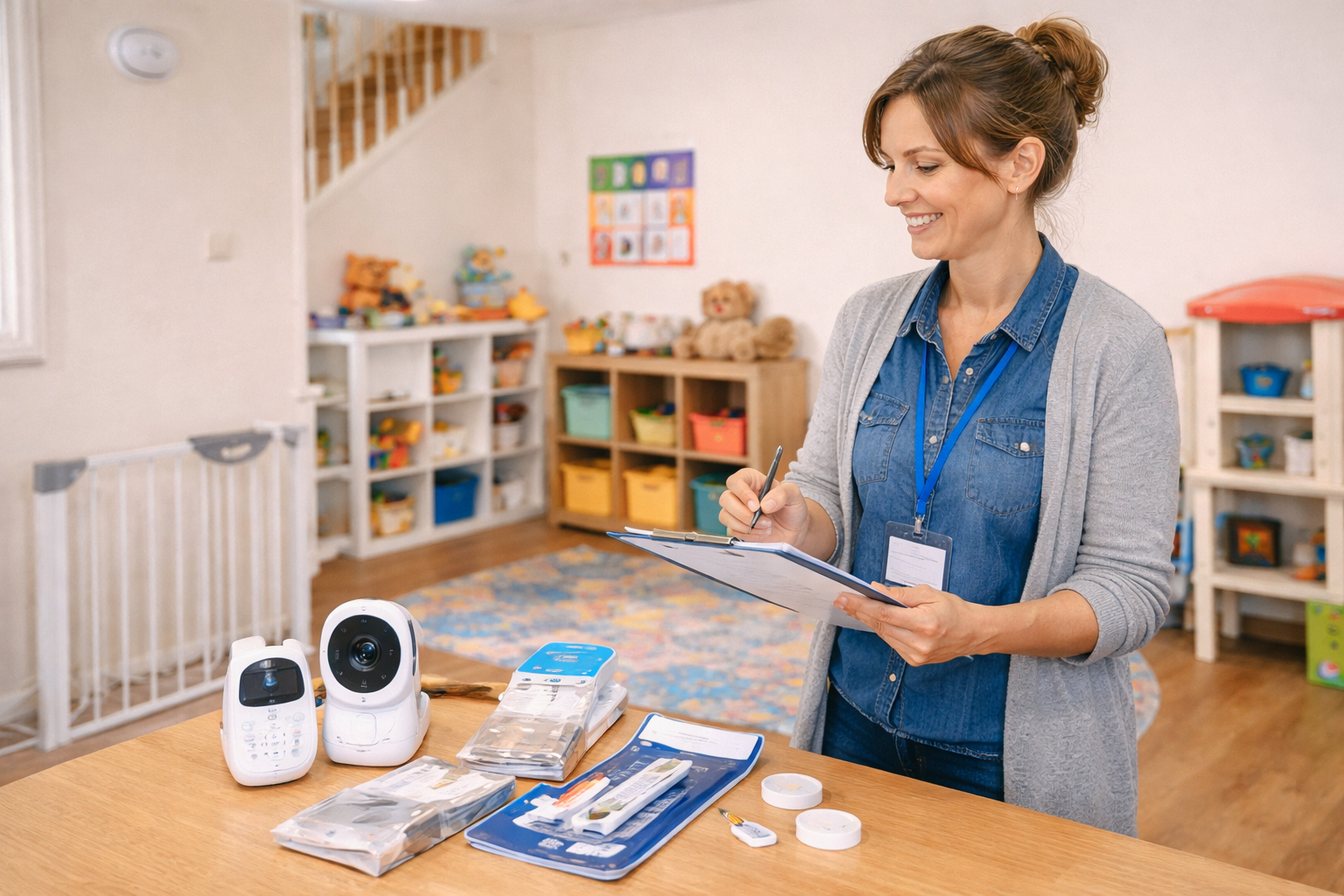
A risk assessment is simply:
-
Identifying a hazard
-
Deciding who could be harmed
-
Putting steps in place to reduce the risk
It shows Ofsted that you are actively thinking about children’s safety, not relying on luck or assumptions.
Risk assessments are not about removing every risk, they are about managing risk sensibly.
Do You Need Written Risk Assessments?
Yes – but they don’t need to be long or complicated.
Ofsted expects:
-
Written risk assessments for key areas
-
Evidence that they are reviewed
-
Confidence when explaining them
They do not expect:
-
Pages of paperwork
-
Professional jargon
-
One assessment per toy
Simple, clear, and relevant is always better.
Part 1: Essential Risk Assessments Every Childminder Needs

At minimum, you should have risk assessments for:
-
Your home (room by room)
-
Outdoor space (if applicable)
-
Outings
-
Pets (if you have them)
-
Fire safety
-
Food preparation
These cover the areas inspectors focus on most.
Home Risk Assessment (Room by Room)
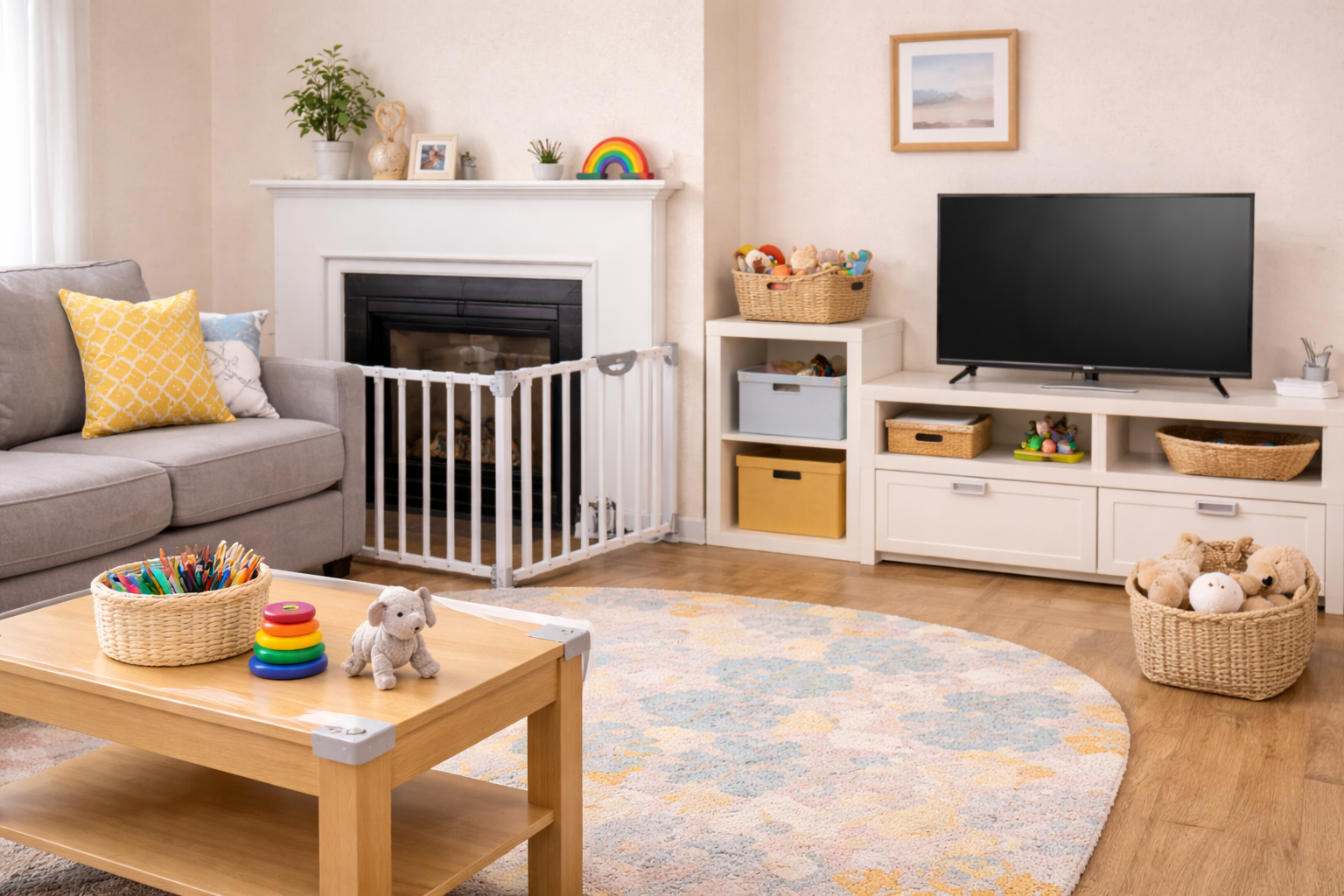
You don’t need a separate document for every room, one home assessment broken into sections is fine.
For each area, think about:
-
Slips, trips, and falls
-
Access to hazards
-
Supervision
Example (Living Room):
Hazard: Small objects on low shelves
Control: Regular checks and age-appropriate supervision
That level of detail is enough.
Kitchen Risk Assessment
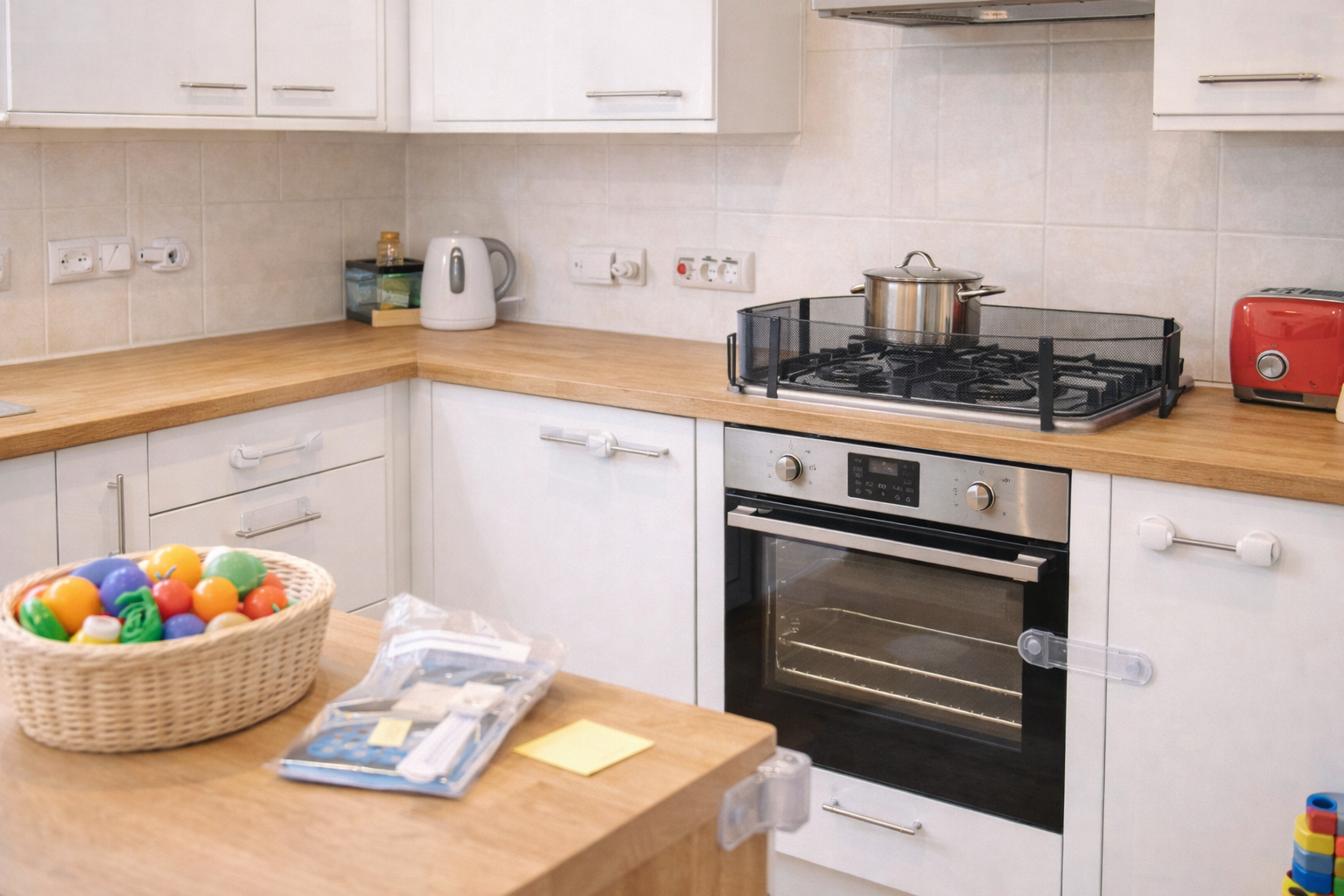
Focus on:
-
Hot surfaces
-
Sharp objects
-
Cleaning products
-
Food hygiene
You can explain:
-
How children are supervised
-
What is stored out of reach
-
When access is restricted
Remember, children don’t need free access to every area.
Bathroom and Nappy Changing Areas 
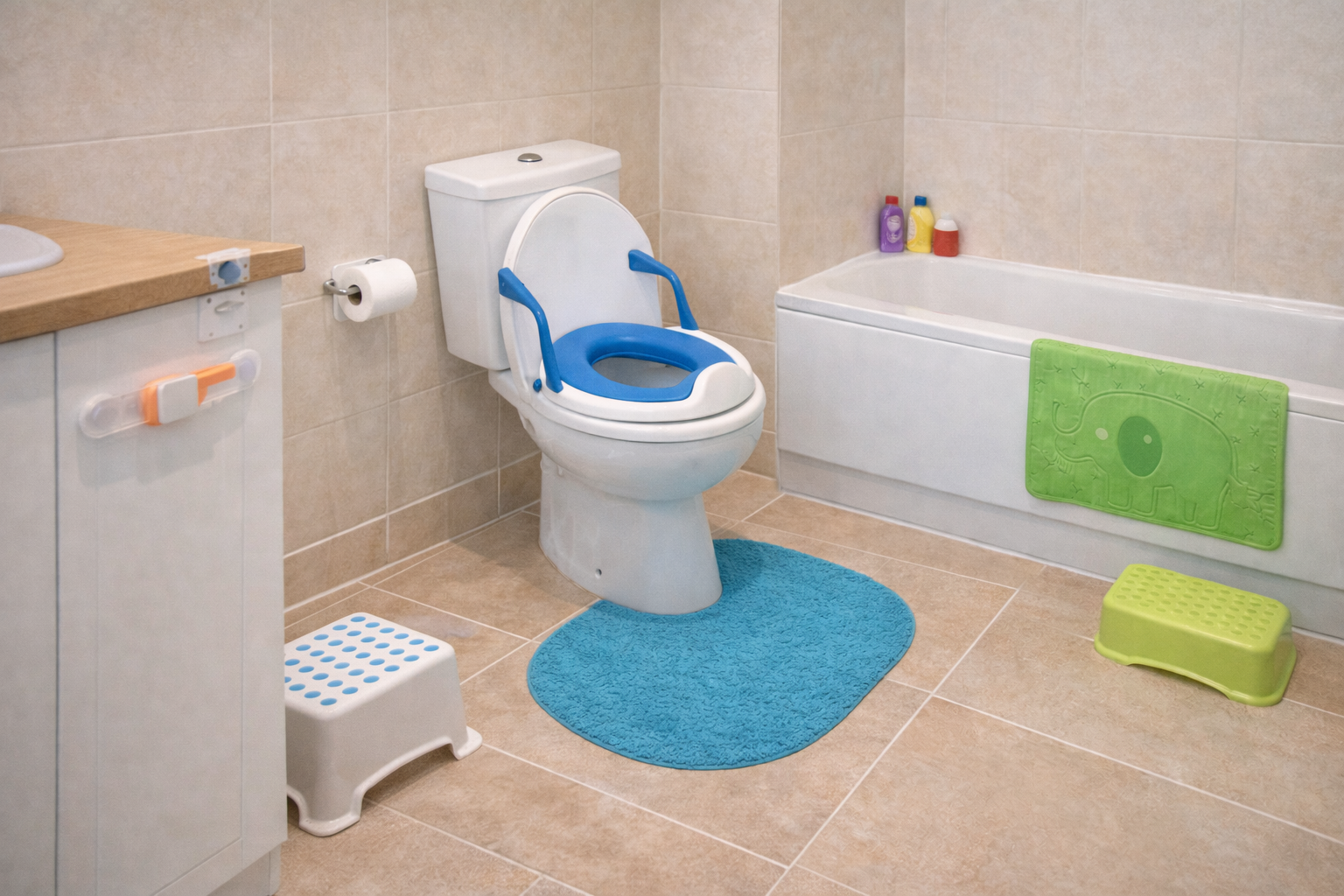
Key hazards include:
-
Slips
-
Cleaning products
-
Hygiene
Controls might include:
-
Non-slip mats
-
Locked cupboards
-
Clear cleaning routines
Inspectors often ask how you prevent cross-contamination, so make sure you can explain this confidently.
Part 2: Outdoor and Outings Risk Assessments

If you have outdoor space, your assessment should cover:
-
Fencing
-
Equipment
-
Supervision
If you don’t, that’s fine, just explain how you manage outdoor play through outings.
For outings, consider:
-
Road safety
-
Transport
-
Lost child procedures
-
Emergency contacts
Part 3: Pets in the Home
If you have pets, Ofsted will ask about them.
Your risk assessment should include:
-
Supervision at all times
-
Hygiene routines
-
How you prevent rough handling
Ofsted isn’t anti-pet, they just want reassurance that safety and welfare come first.
Part 4: Fire Safety Risk Assessment
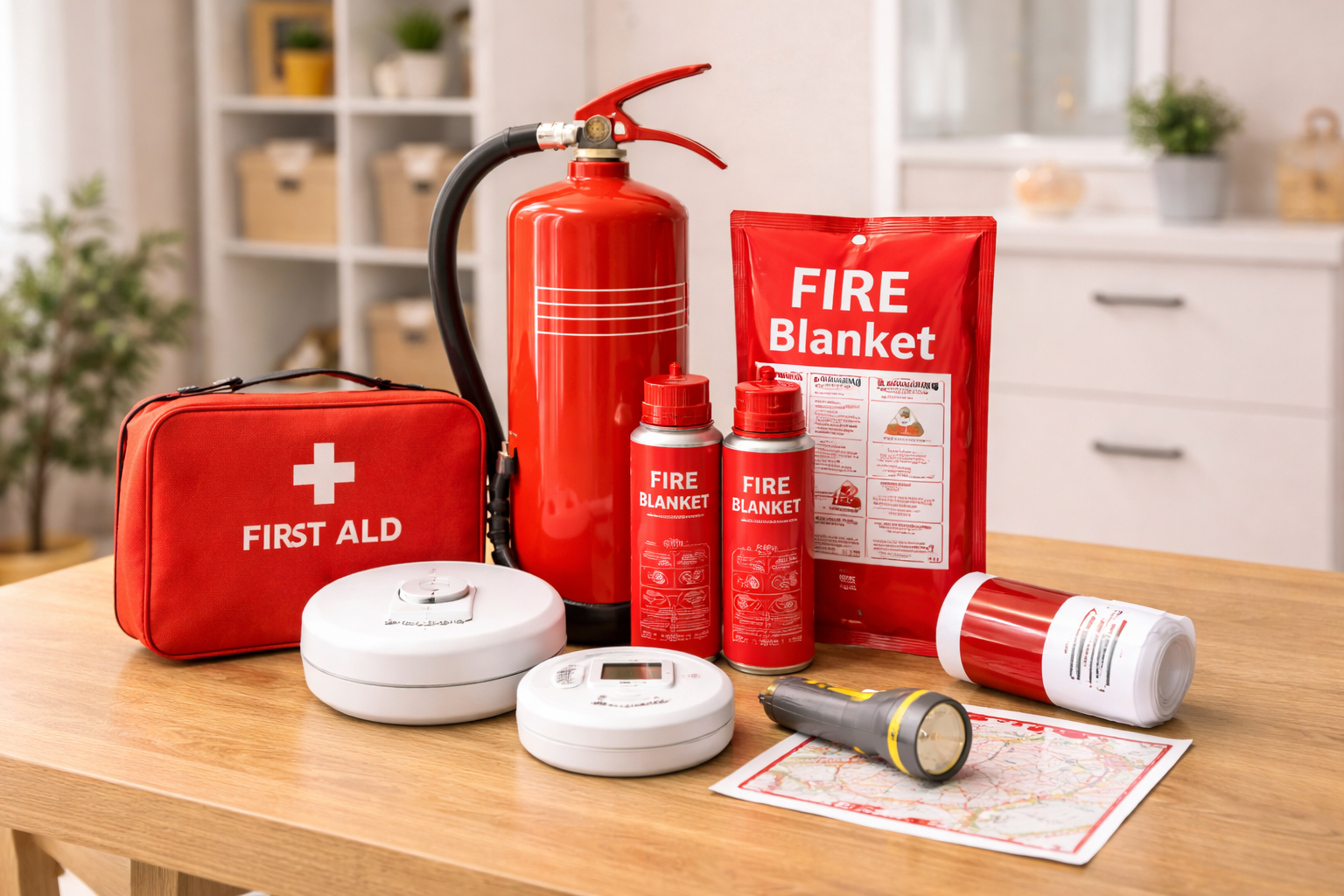
This is one of the most important areas.
You should be able to explain:
-
Where smoke alarms are located
-
How you evacuate
-
Where children gather safely
-
How you practise drills
Written fire evacuation procedures support this, but your explanation matters most.
Part 5: How Often Should Risk Assessments Be Reviewed?
Ofsted expects risk assessments to be:
-
Reviewed regularly
-
Updated when things change
Examples of changes:
-
New equipment
-
New child starting
-
Change in layout
-
Seasonal changes
You don’t need to rewrite them constantly — just show awareness.
Part 6: Common Risk Assessment Mistakes
Avoid these common pitfalls:
-
Writing too much
-
Copying generic templates without understanding them
-
Failing to review assessments
-
Being unable to explain controls
Inspectors value understanding over paperwork.
If the EYFS still feels overwhelming, that’s normal.
Every childminder feels this way at the beginning.
That’s exactly why I created the Become a Registered Childminder in the UK – Step-by-Step Course.
Inside the course, you’ll get:
✔ Clear EYFS explanations (no jargon)
Understand what Ofsted wants and how to meet the requirements easily.
✔ Real examples from childminders I’ve trained
Learn how they passed inspection and set up their homes.
✔ Ready-made templates
Policies, contracts, risk assessments, planning sheets.
✔ Video walkthroughs of each step
So you never feel lost or overwhelmed.
✔ Everything for just £49
And you keep all your profits — no agency fees.