
What a Typical Day Looks Like
One of the most common questions aspiring childminders ask is:
“What does a real day actually look like?”
Many people worry that they’ll need a strict timetable, constant planned activities, or nursery-style structure to meet EYFS expectations.
The truth is very different.
Ofsted isn’t looking for rigid schedules, they’re looking for consistent routines, responsive care, and meaningful learning opportunities that fit naturally into a child’s day.
This guide shows you how to create a calm, flexible daily routine that works in a home setting and meets EYFS requirements.
Why Daily Routines Matter in Childminding

Routines help children feel:
-
Secure
-
Settled
-
Confident
For Ofsted, routines demonstrate that you:
-
Understand children’s needs
-
Can manage the day safely
-
Support learning through everyday experiences
A routine doesn’t mean a timetable – it means predictability with flexibility.
A Simple EYFS-Friendly Daily Structure
Most childminders follow a loose structure like this:
-
Arrival & settling in
-
Morning play & activities
-
Snack time
-
Outdoor play / outing
-
Lunch
-
Rest / quiet time
-
Afternoon play & activities
-
Home time
Let’s break this down in a realistic way.
Morning: Arrivals & Settling In
Mornings should feel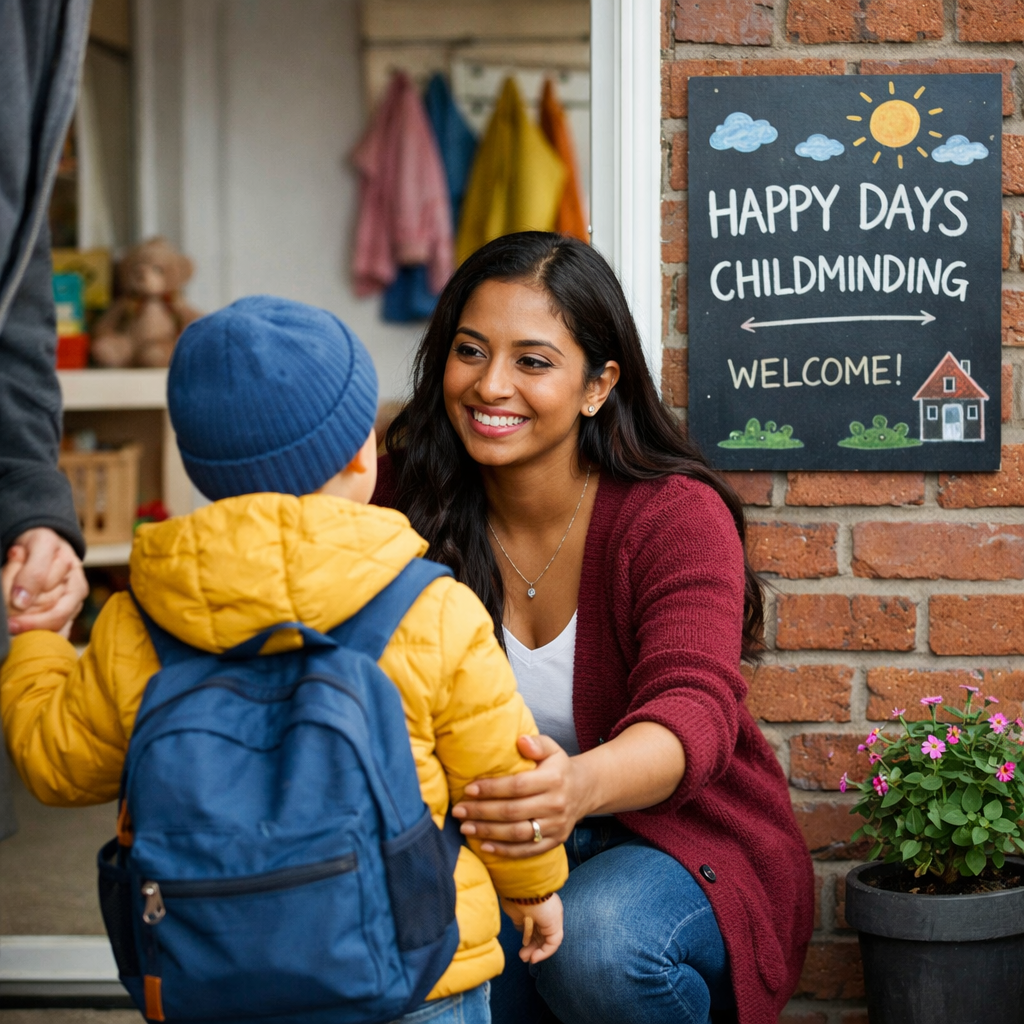 calm and welcoming.
What Ofsted Likes to See:
-
Children greeted warmly
-
Time for settling in
-
Communication with parents
This is a great time for:
-
Free play
-
Talking about the day ahead
-
Observing children’s moods and interests
There’s no need to rush into “activities” – settling in is learning.
Morning Play & Learning Activities
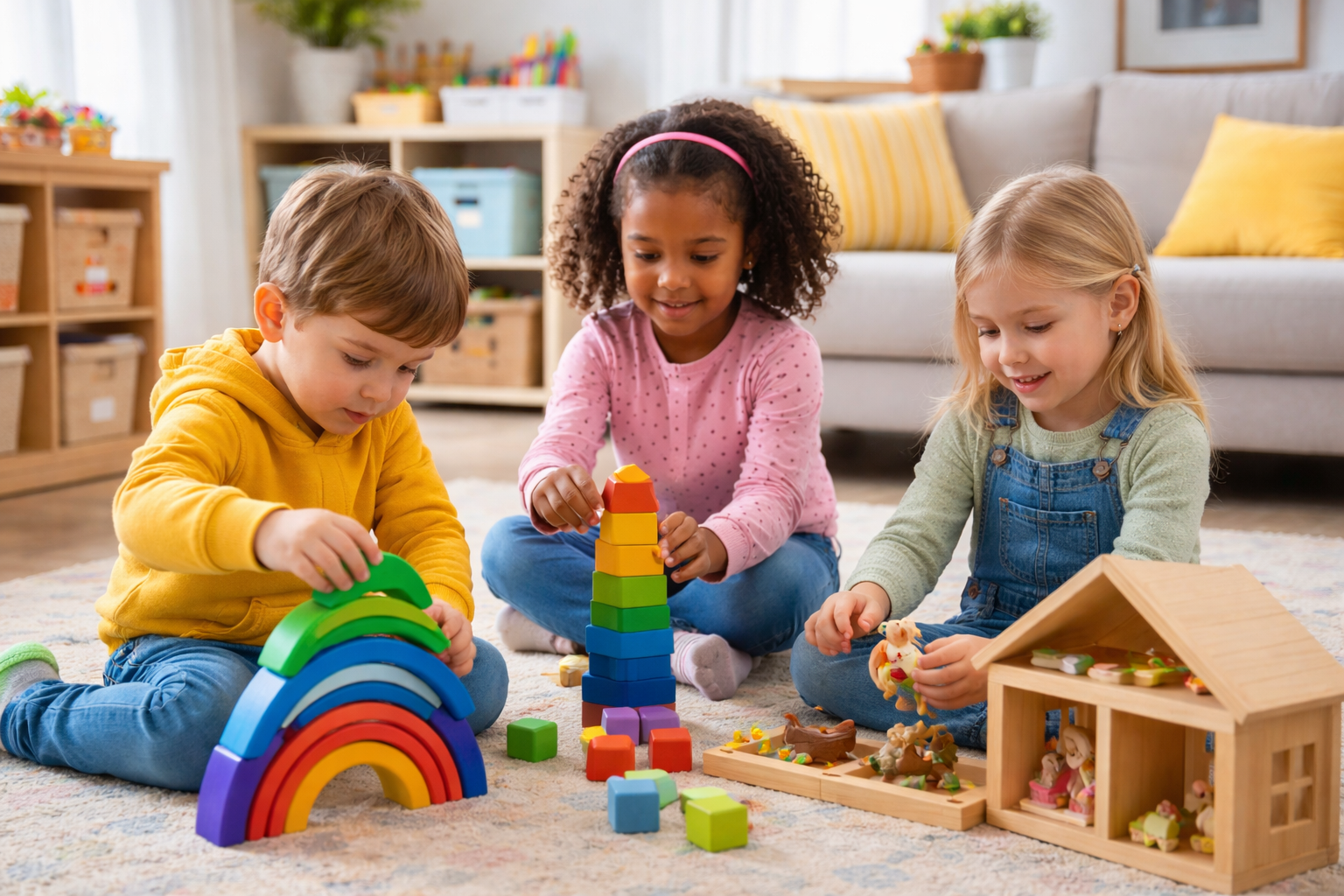
This part of the day is usually child-led.
Offer a choice of activities that cover different EYFS areas:
-
Construction toys
-
Books
-
Role play
-
Creative materials
Your role is to:
-
Observe
-
Join play when appropriate
-
Extend learning naturally
For example:
-
Counting toys → maths
-
Storytime → communication & literacy
-
Role play → PSED
You don’t need worksheets or structured lessons.
Snack Time & Hygiene Routines

Snack time supports:
-
Independence
-
Social skills
-
Healthy eating
Use this time to:
-
Encourage handwashing
-
Talk about food
-
Practice turn-taking
Inspectors like seeing hygiene routines embedded into the day.
Outdoor Play or Outings

The EYFS expects daily outdoor play where possible.
This might include:
-
Garden play
-
Walks
-
Trips to the park
-
Scooters or balance bikes
Outdoor play supports:
-
Physical development
-
Confidence
-
Exploration
If you don’t have a garden, explain your outing routine, Ofsted is fine with this.
Lunch Time & Social Learning

Lunch is more than just eating.
It supports:
-
Communication
-
Manners
-
Independence
Encourage children to:
-
Serve themselves (age-appropriate)
-
Try new foods
-
Talk about their day
This naturally links to EYFS learning without any formal planning.
Rest, Sleep & Quiet Time

Not all children sleep and that’s okay.
Depending on age:
-
Babies may nap
-
Toddlers may rest
-
Older children may enjoy quiet play or books
What matters is:
-
Safe sleep arrangements
-
Supervision
-
Calm environment
Be prepared to explain your sleep routine and checks to Ofsted.
Afternoon Play & Wind-Down Activities

Afternoons are often more relaxed.
Good options include:
-
Creative activities
-
Reading
-
Puzzles
-
Role play
This is also a great time to:
-
Reflect on the day
-
Observe progress
-
Prepare for home time
Home Time & Parent Communication
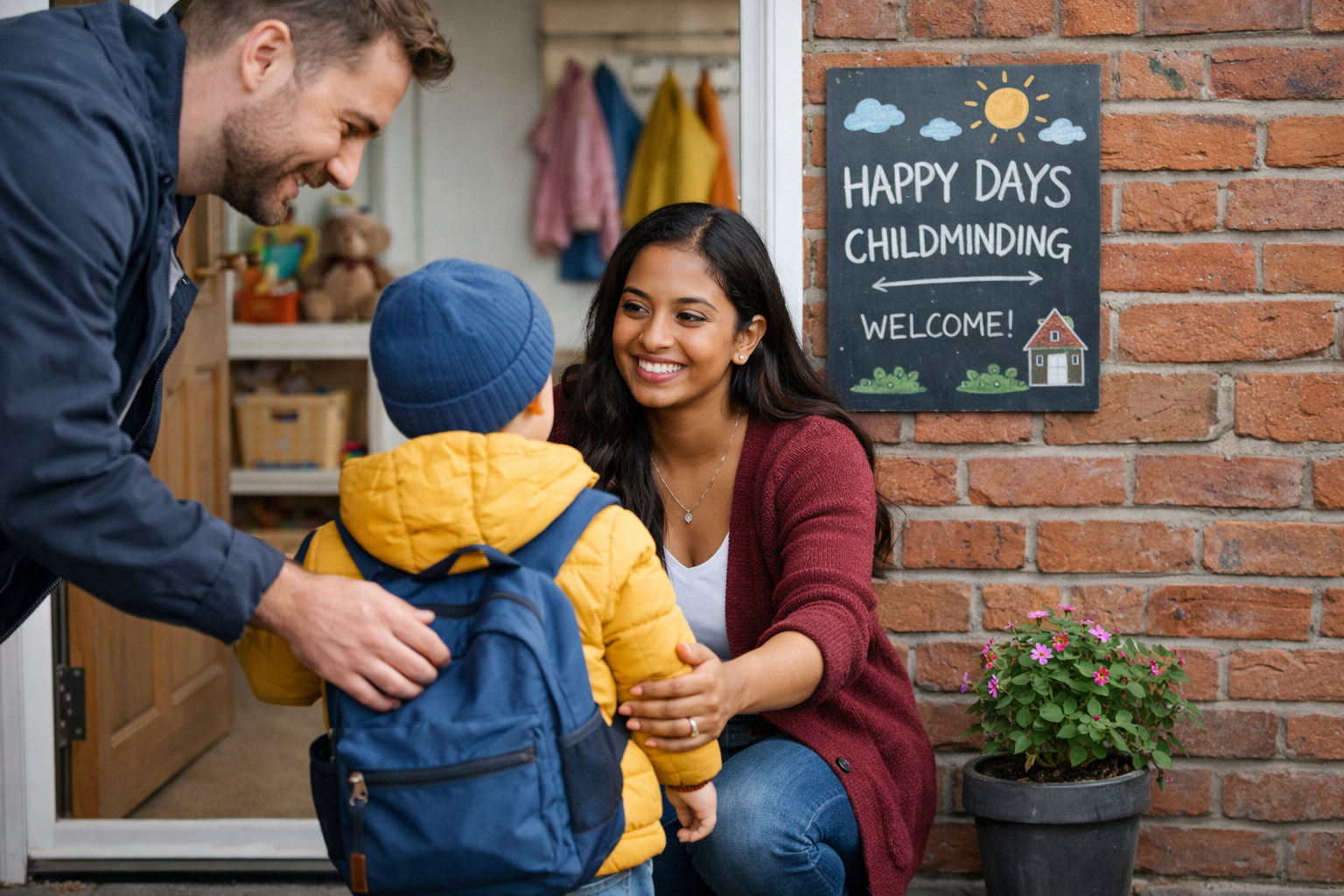
End the day with:
-
A friendly handover
-
Brief feedback
-
Sharing positives
Parents value:
-
Knowing what their child enjoyed
-
Hearing about progress
-
Feeling informed
Ofsted values strong partnerships with parents.
Do You Need Written Daily Plans?
No, not detailed ones.
Ofsted expects:
-
Awareness of children’s needs
-
Flexibility
-
Evidence of learning over time
Many childminders use:
-
A simple routine sheet
-
Occasional activity planning
-
Brief observations
Less paperwork, more presence.
Common Routine Mistakes to Avoid
❌ Overplanning every minute
❌ Forcing activities
❌ Rigid timetables
❌ Ignoring children’s moods
❌ Thinking EYFS must look “school-like”
Childminding works best when it feels like a home, not a classroom.
If the EYFS still feels overwhelming, that’s normal.
Every childminder feels this way at the beginning.
That’s exactly why I created the Become a Registered Childminder in the UK – Step-by-Step Course.
Inside the course, you’ll get:
✔ Clear EYFS explanations (no jargon)
Understand what Ofsted wants and how to meet the requirements easily.
✔ Real examples from childminders I’ve trained
Learn how they passed inspection and set up their homes.
✔ Ready-made templates
Policies, contracts, risk assessments, planning sheets.
✔ Video walkthroughs of each step
So you never feel lost or overwhelmed.
✔ Everything for just £49
And you keep all your profits — no agency fees.