
Understanding the Early Years Foundation Stage Without the Overwhelm
If you’re becoming a childminder, you must understand the EYFS but the truth is, the framework can feel confusing, wordy and full of jargon if you’re reading it for the first time.
This guide breaks the EYFS down in a simple, practical way so you not only understand what it means but also know how to apply it in your home setting every single day.
You’ll learn exactly what Ofsted expects, what you’re legally responsible for, and how to meet EYFS standards without stress.
What Is the EYFS? (In Simple Terms)
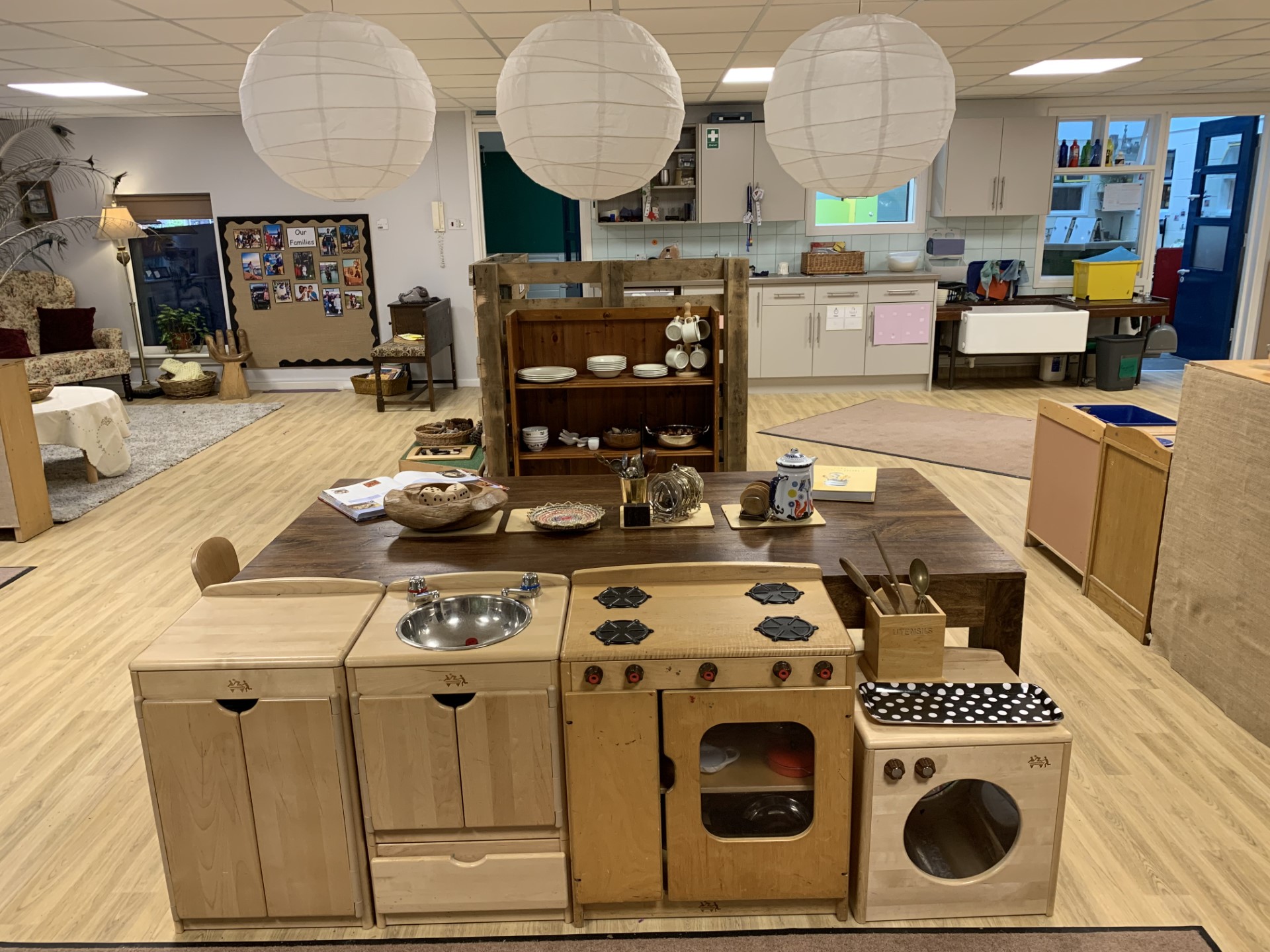
The EYFS (Early Years Foundation Stage) is the statutory framework that sets the standards for learning, development, and care for children from birth to 5 years old.
It tells you:
What children should learn
The areas of development you must support
How to keep children safe
What policies and procedures you need
What Ofsted will inspect you on
It’s not a curriculum.
It’s a guide showing you what children need, you decide how you deliver it in your home.
Part 1: The 7 Areas of Learning (Explained Simply)

1. Communication & Language
Talking
Listening
Understanding
Building vocabulary
Simple activities: stories, singing, conversations at mealtimes.
2. Personal, Social & Emotional Development (PSED)
Confidence
Friendships
Understanding feelings
Independence
Activities: turn-taking games, emotions cards, helping with small tasks.
3. Physical Development
Gross motor (running, climbing)
Fine motor (mark-making, threading)
Activities: outdoor play, playdough, drawing.
Specific Areas
4. Literacy
Reading
Phonics exposure
Early writing
Activities: story time, mark-making, name recognition.
5. Mathematics
Counting
Shapes
Patterns
Comparing sizes
Activities: puzzles, counting toys, simple number games.
6. Understanding the World
Nature
People and communities
Simple technology
Activities: walks, planting seeds, exploring seasonal changes.
7. Expressive Arts & Design
Arts
Music
Imaginative play
Activities: painting, role-play, dancing.
Part 2: What Ofsted Wants to See
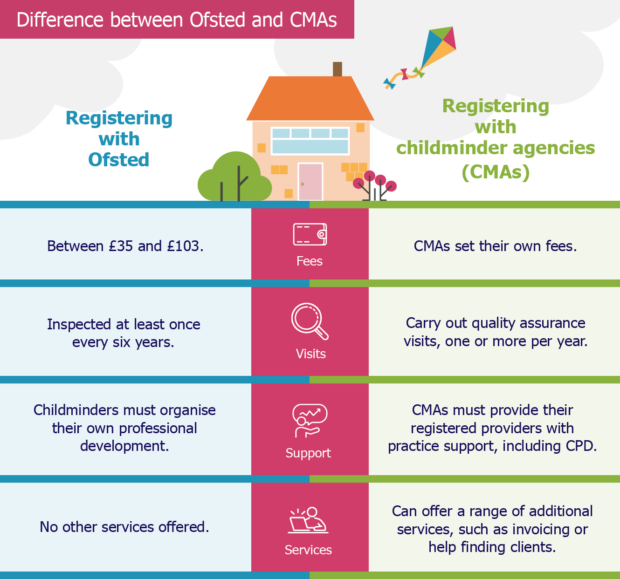
They’re checking YOU:
Do you understand how children learn?
Are your activities meaningful?
Can you talk about each child’s development?
Do you plan based on what the child needs next?
Is your home set up to support the EYFS?
If you can explain these confidently, you’ll pass this part of the inspection with ease.
Part 3: EYFS Planning Made Simple (No Paperwork Overload)
Many new childminders overcomplicate planning.
But the EYFS makes it very clear:
Planning must be simple, flexible, and based on the child.
Here’s a no-stress approach:
1. Observe Naturally
Watch what the child is playing with and interested in.
No formal observation needed.
2. What does this tell you?
Are they learning new words?
Are they curious about numbers?
Do they prefer sensory play?
3. Plan a small next step
If a child loves cars → add ramps for exploring speed.
If they love stories → add puppets.
That’s it.
No huge folders.
No daily written plans.
No complicated diagrams.
Part 4: EYFS Safety Requirements for Childminders
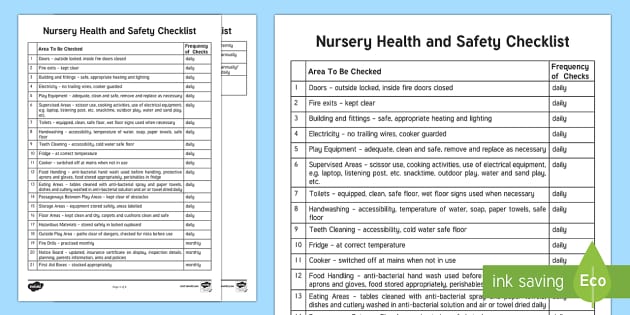
The EYFS contains several mandatory rules. Key ones include:
✔ Childminding ratios
1:3 under 5
Only 1 under 1
Total of 6 under 8
✔ Supervision
You must always be able to see or hear children.
✔ Record Keeping
Accidents
Medication
Complaints
Attendance
✔ Safeguarding
You must follow EYFS section 3 and know the signs of abuse.
✔ Food & Hygiene
Clean kitchen, allergy awareness, safe food prep.
If you follow these, you meet 95% of the framework already.
Part 5: Setting Up Your Home to Support EYFS Learning
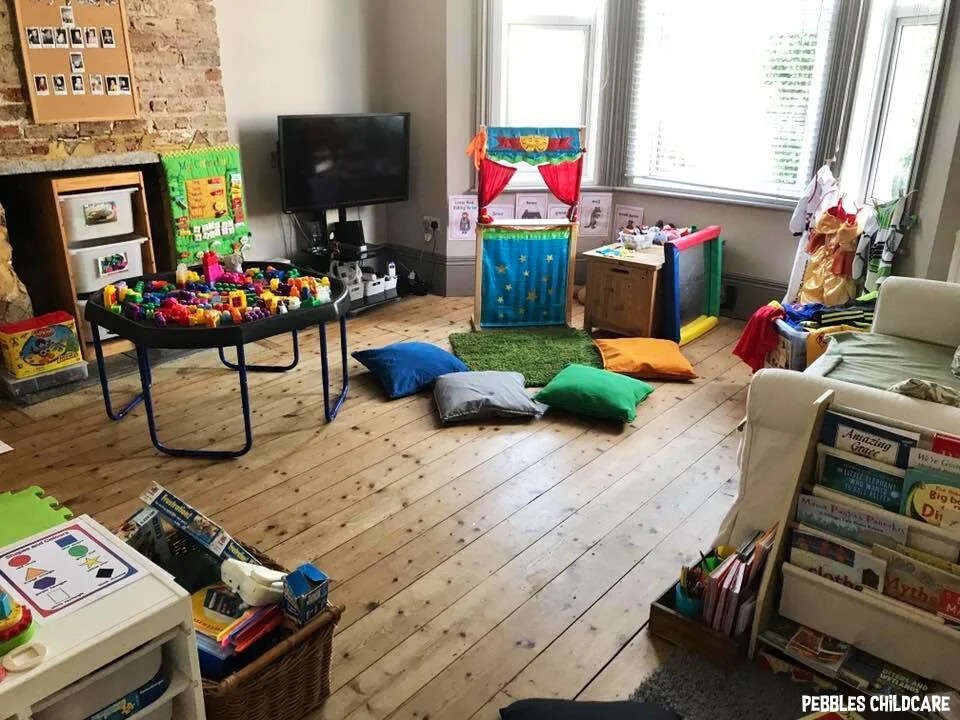
✔ Accessible toys
Children choose their own activities.
✔ Rotated learning resources
Keep things fresh and stimulating.
✔ A cosy book area
Encourages literacy and communication.
✔ Outdoor opportunities
Garden or daily park outings.
✔ Real-life learning
Cooking, helping tidy up, nature walks.
Your home is already full of EYFS learning opportunities.
Part 6: How to Evidence Learning Without Stress
Ofsted does not require long written observations.
You can show evidence through:
Photos
Notes on your phone
A simple observation sheet
Talking confidently during inspection
Your daily routine and environment
Most childminders use:
“2 photos + 2 sentences”
That’s enough to show progress, interests, and next steps.
If the EYFS still feels overwhelming, that’s normal.
Every childminder feels this way at the beginning.
That’s exactly why I created the Become a Registered Childminder in the UK – Step-by-Step Course.
Inside the course, you’ll get:
✔ Clear EYFS explanations (no jargon)
Understand what Ofsted wants and how to meet the requirements easily.
✔ Real examples from childminders I’ve trained
Learn how they passed inspection and set up their homes.
✔ Ready-made templates
Policies, contracts, risk assessments, planning sheets.
✔ Video walkthroughs of each step
So you never feel lost or overwhelmed.
✔ Everything for just £49
And you keep all your profits — no agency fees.