

Preparing your home for Ofsted is one of the most important and most misunderstood parts of becoming a registered childminder. Many new childminders assume they need a perfect, Pinterest-worthy setup… but Ofsted isn’t looking for perfection.
They’re looking for safety, suitability, organisation, and your understanding of the EYFS.
This guide breaks down everything you need to prepare your home with confidence, avoid common inspection mistakes, and set up a space that parents immediately trust.
Step 1: Understanding What Ofsted Looks For
✔ Safety
Are hazards removed or controlled? Are children protected at all times?
✔ Suitability
Is your home clean, organised, and appropriate for childcare?
✔ Learning Environment
Do you provide varied opportunities for EYFS learning indoors and outdoors?
✔ Risk Assessments
Are you able to identify dangers, supervise effectively, and explain your safety processes?
✔ Preparedness
Do you understand how your home layout supports the EYFS?
This preparation alone reduces 90% of stress new childminders experience before inspection.
Step 2: Essential Safety Measures (Non-Negotiables)
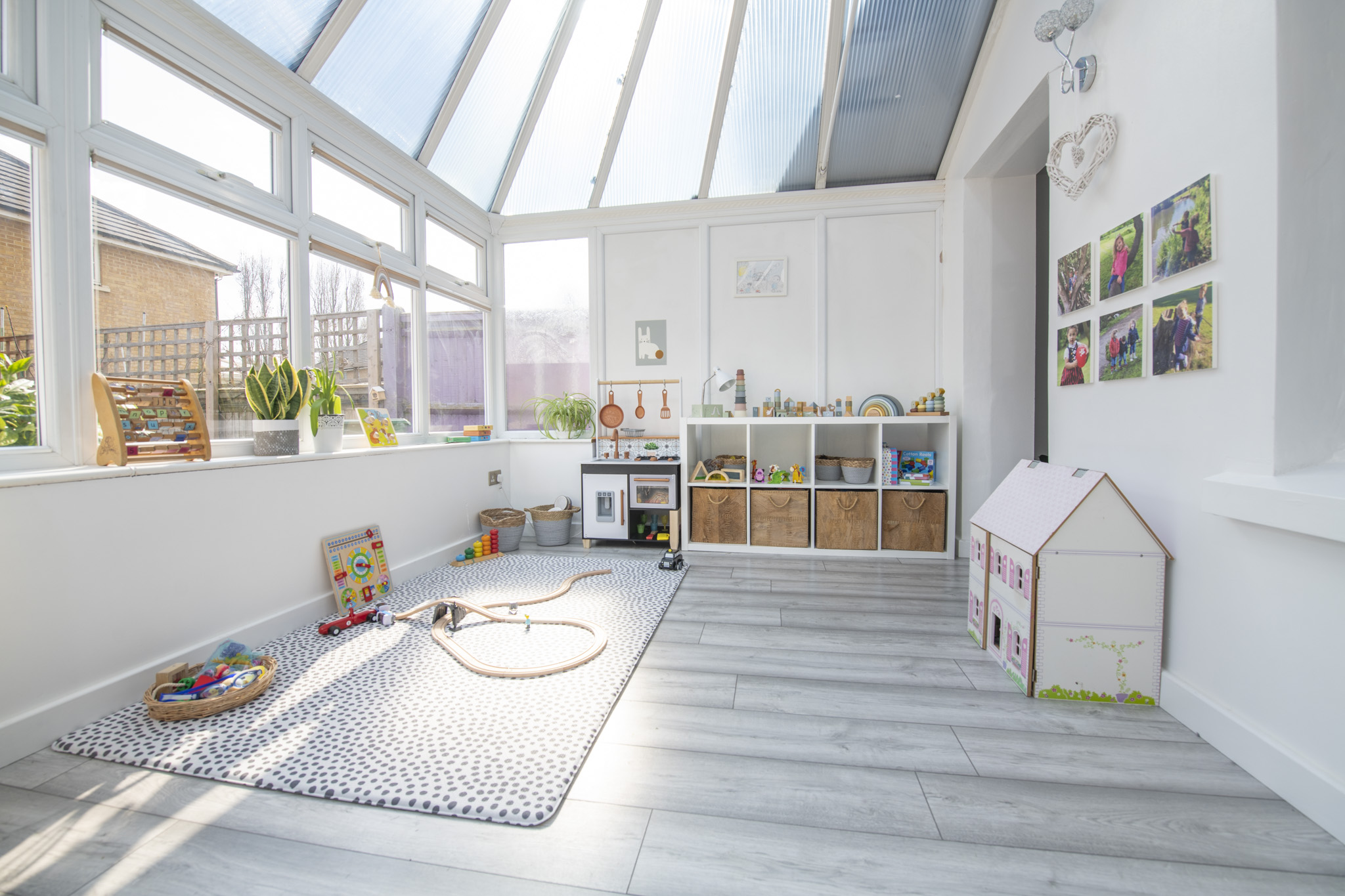
To meet Ofsted’s safety expectations, make sure you have the following in place:
1. Working Smoke Alarms (Every Floor)
Must be tested regularly and easy to access.
2. Fire Safety Equipment
A fire blanket is essential for the kitchen; a small extinguisher is recommended.
3. Secure Storage for Hazards
Cleaning products, medication, tools, and sharp objects must be kept out of reach or locked away.
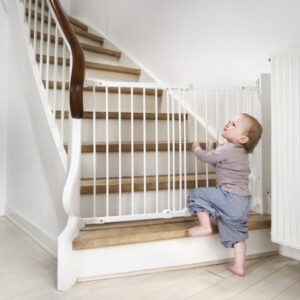
4. Stair Gates
If caring for under 5s, stair gates are strongly recommended.
5. Covered Radiators or Safe Heating
Avoid exposed hot surfaces where children play.
6. Secure Doors & Gardens
Front door locked. Back garden fully enclosed.
7. Nappy Changing Hygiene
Wipes, gloves, sealed bin, disinfectant spray.
8. First Aid Kit
Fully stocked and designed for paediatric use.
Step 3: Creating a Learning-Ready Home Environment
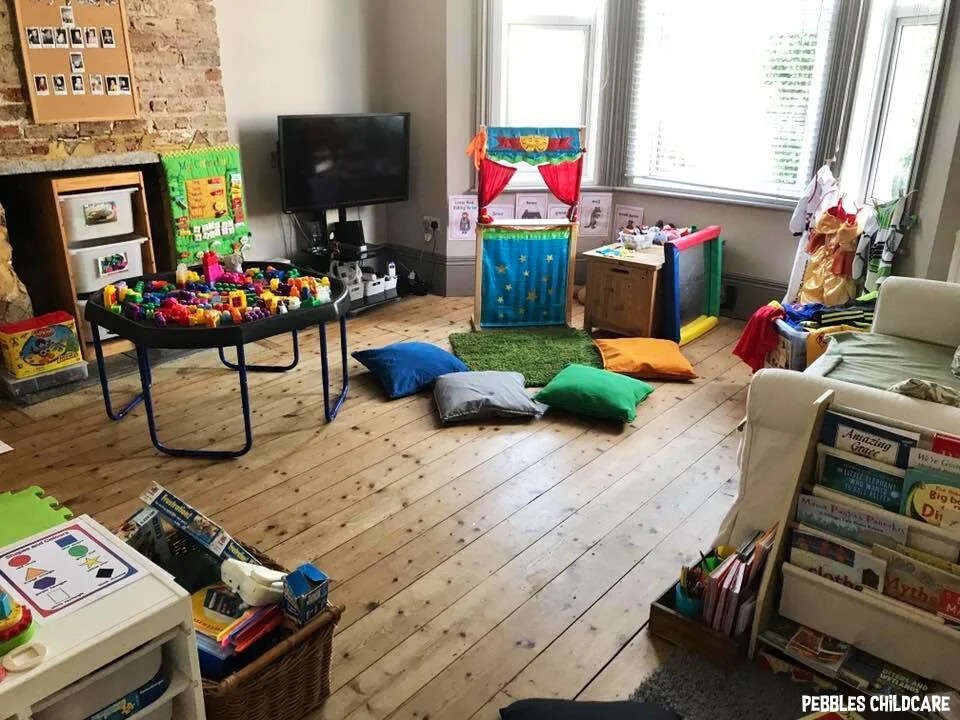
Ofsted doesn’t expect a dedicated playroom, just that your space is:
-
Organised
-
Clean
-
Inviting
-
Appropriate for the EYFS
Here’s what ideally makes up a strong environment:
✔ Play Area Setup
-
Low shelves
-
Rotated toys
-
Range of EYFS resources (blocks, puzzles, books, pretend play, sensory items)
-
A cosy reading corner
✔ Meal & Table Area
-
Child-size chairs
-
Hygiene rules displayed
-
Easy to clean surfaces
✔ Sleep & Rest Area
Depending on age ranges:
-
Travel cot
-
Nap mats
-
Soft lighting
-
Quiet corner
✔ Outdoor Area
You must offer outdoor play daily.
If you don’t have a garden, plan:
-
Local park schedule
-
Walks
-
Nature/physical activities
Step 4: Required Paperwork & Policies for Inspection
Ofsted will check you have clear versions of:
-
Safeguarding & Child Protection policy
-
Complaints policy
-
Behaviour management policy
-
Risk assessments
-
Accident/incident log
-
Visitor log
-
Fire evacuation plan
-
Daily attendance records
-
Admin forms (registration forms, permissions, medical info)
Tip: Keep all policies in a labelled folder and all forms in a separate organiser.
Presentation matters more than people think.
Step 5: Room-by-Room Breakdown (Checklist)
Kitchen
-
Cleaning products locked away
-
Hot drinks out of reach
-
Fire blanket visible
-
Safe food prep area
Living Room / Playroom
-
Secure TV
-
Corner guards
-
Clean floor space
-
Age-appropriate toys
Bathroom
-
Anti-slip mat
-
Locked toiletries
-
Potty equipment (if applicable)
-
Cleaning spray stored safely
Bedroom / Sleep Area
-
No loose bedding
-
Sleep monitors optional
-
Area must be supervised or easily visible
Garden
-
Locked shed
-
Tools out of reach
-
No poisonous plants
-
Safe fences
Step 6: Common Mistakes New Childminders Make
Here are the biggest reasons inspections get delayed:
❌ Missing safety equipment
❌ No written risk assessments
❌ Paperwork not organised
❌ Dirty or cluttered environment
❌ No outdoor play plan
❌ Toys not varied enough
❌ Inadequate understanding of the EYFS
Avoid these, and you are already ahead of most applicants.
Preparing your home, learning the EYFS, and understanding Ofsted’s expectations can feel overwhelming — especially when you’re trying to piece information together from Facebook groups and government websites.
That’s exactly why I created the Become a Registered Childminder in the UK – Step-by-Step Course.
It’s the complete roadmap – everything you need to go from idea to fully registered childminder and beyond.