
What Inspectors Really Look For (and What They Don’t)
One of the biggest worries new childminders have is the Ofsted pre-registration inspection, especially when it takes place in your own home.
Many people assume their house needs to look like a nursery showroom.
It doesn’t.
Ofsted isn’t judging your décor, your furniture, or how much money you’ve spent. They are checking whether your home is safe, suitable, and supportive of children’s learning and development under the EYFS.
This guide walks you through exactly how to prepare your home, room by room, so you feel confident and ready on inspection day.
What Is the Ofsted Pre-Registration Inspection?
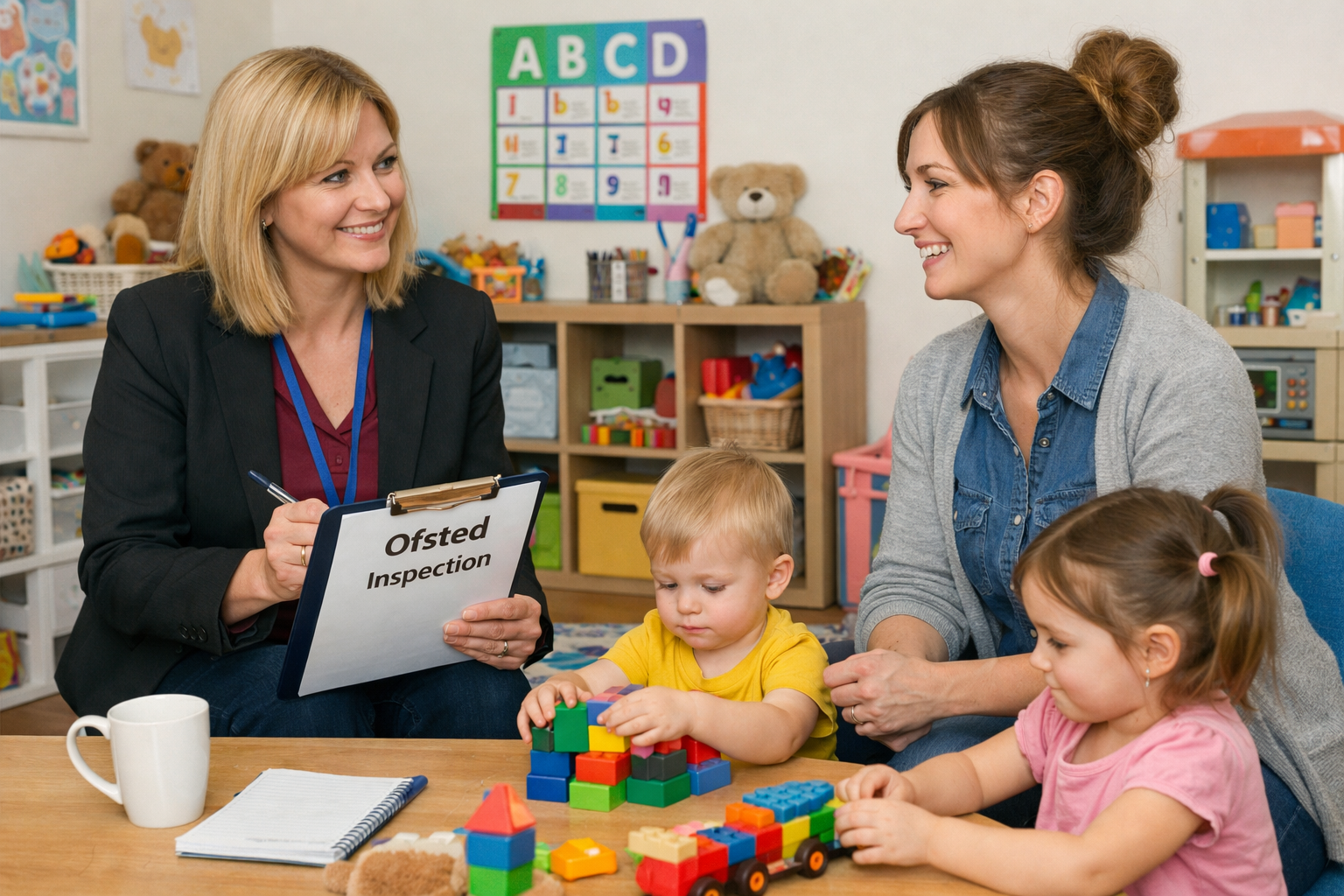
The pre-registration inspection is Ofsted’s way of confirming that:
-
Your home is safe for children
-
You understand EYFS requirements
-
You can meet children’s learning and care needs
-
You are ready to operate as a professional childminder
It is not a test designed to catch you out.
Inspectors expect you to be new – they are assessing knowledge, not perfection.
Part 1: General Home Safety Requirements
Before focusing on individual rooms, Ofsted will look at overall safety.
You must demonstrate:
-
Awareness of risks
-
Control measures in place
-
Ongoing risk assessment
This means you don’t need to eliminate every risk – you need to manage them.
Essential Safety Checks
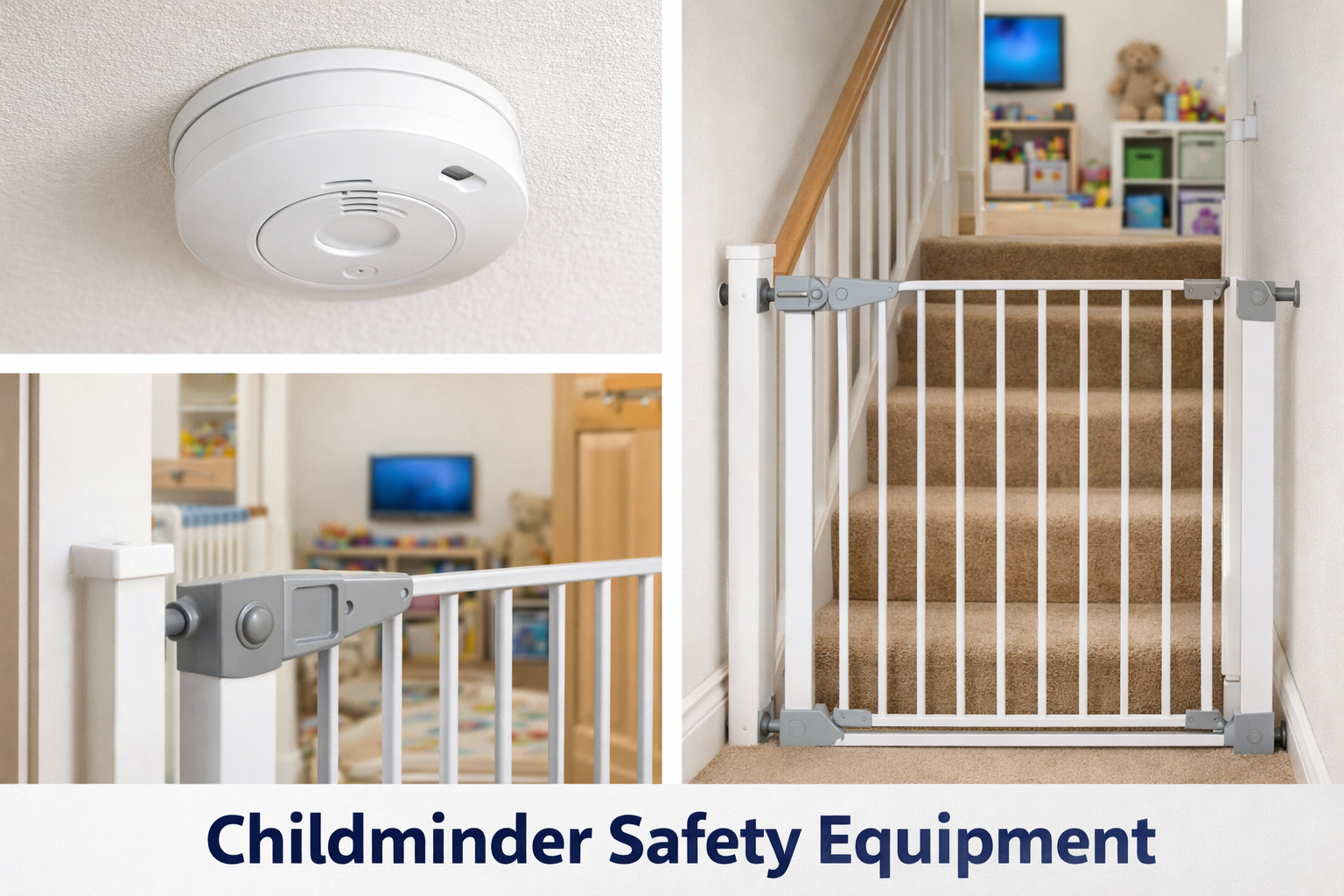
Make sure you have:
-
Working smoke alarms on every level
-
Fire blanket or extinguisher (recommended)
-
Safety gates if caring for young children
-
Covered sockets (where appropriate)
-
Secure cleaning products and medication
-
Clear evacuation plan
Inspectors often ask:
“What would you do in a fire or emergency?”
Being able to explain this calmly is more important than having perfect equipment.
Part 2: Preparing Your Main Play Area
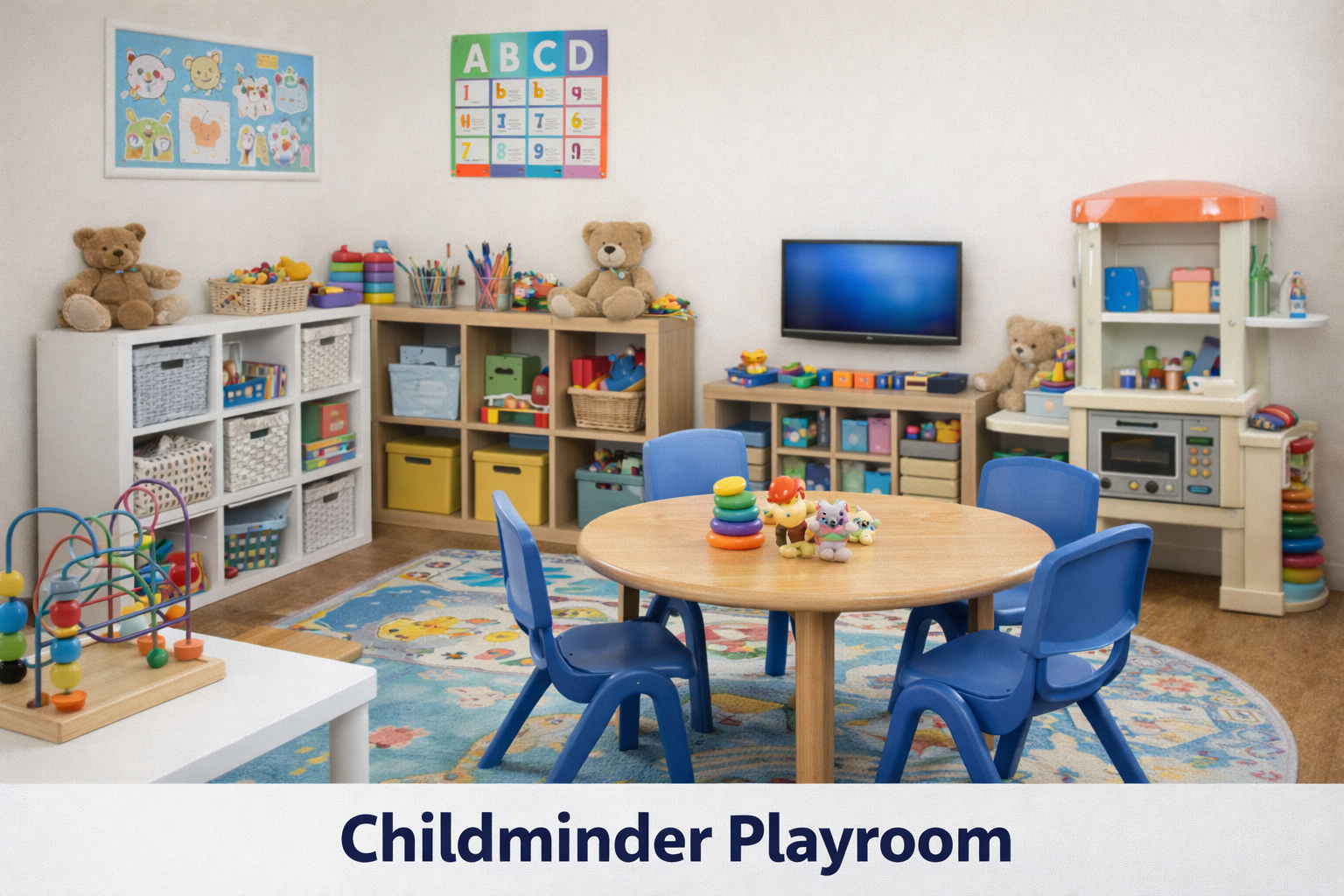
This is where most learning happens, and where inspectors spend a lot of time.
What Ofsted Looks For:
-
Clear floor space
-
Age-appropriate toys
-
Resources children can access independently
-
Evidence of EYFS learning
You do NOT need:
-
Expensive furniture
-
A separate nursery room
-
Brand-new toys
How to Set It Up Simply
-
Store toys in low boxes or shelves
-
Offer a mix of:
-
Construction toys
-
Books
-
Role-play items
-
Creative materials
-
-
Rotate toys to keep interest high
-
Provide soft seating or a quiet corner
If children can choose activities themselves, you’re already meeting EYFS expectations.
Part 3: Kitchen and Meal Areas
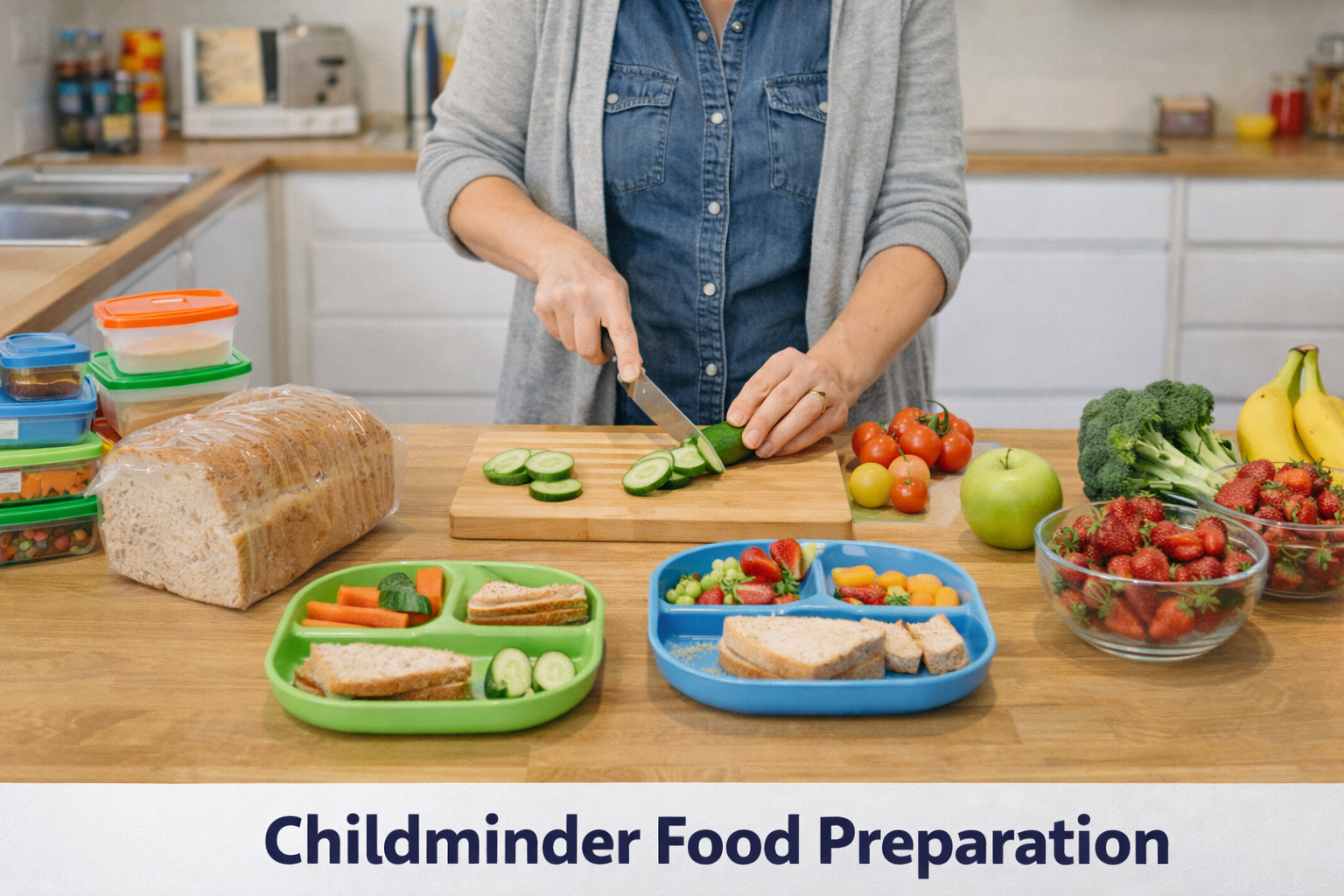
You don’t need a commercial kitchen.
Inspectors want to see:
-
Good hygiene
-
Safe food storage
-
Allergy awareness
Be ready to explain:
-
How you prepare food safely
-
How you manage allergies
-
How you supervise children during meals
Having written food hygiene training or certificates is helpful but not mandatory if you can show good practice.
Part 4: Bathroom and Nappy Changing Areas
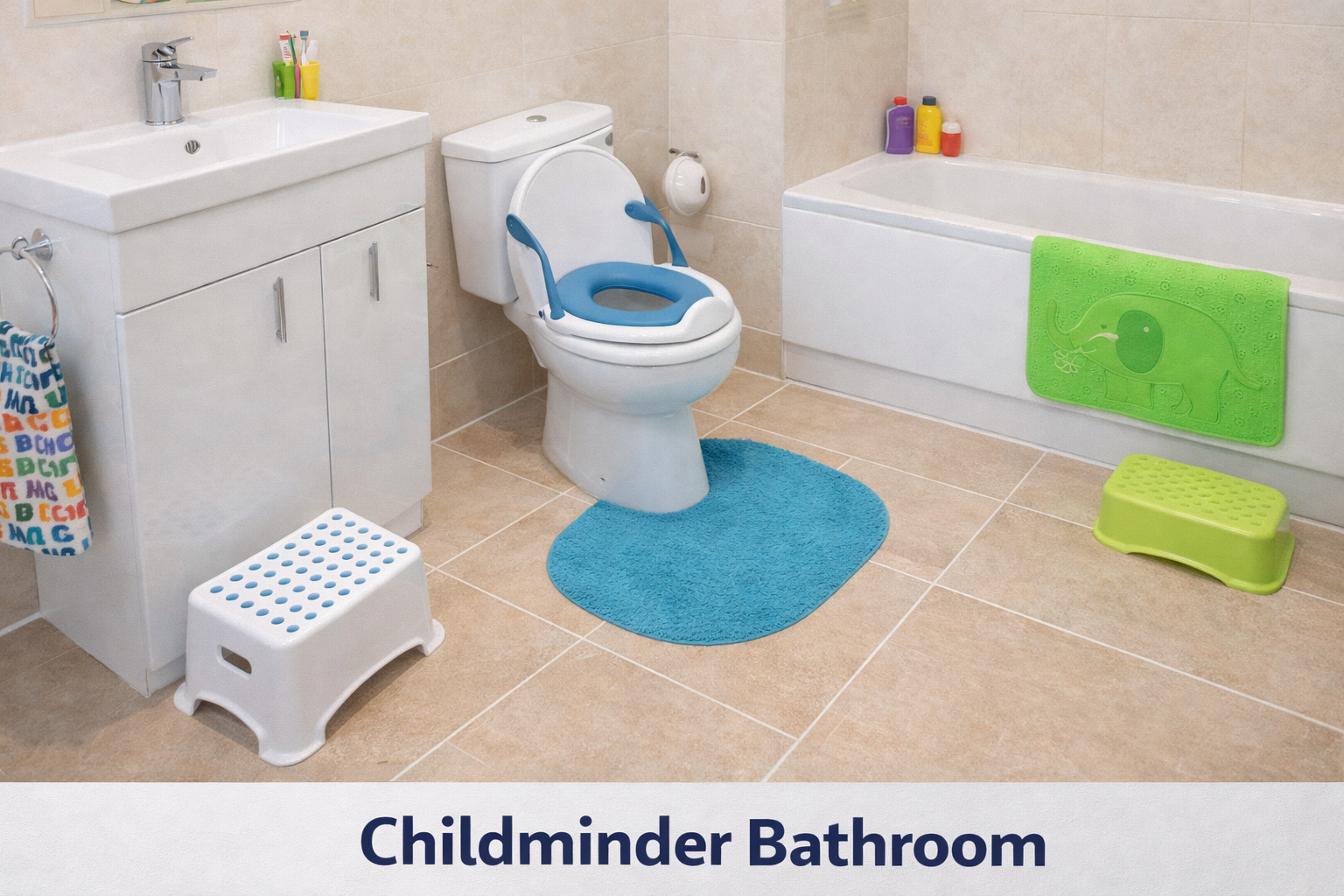
Your bathroom must be:
-
Clean
-
Safe
-
Supervised
Key points:
-
Cleaning products stored out of reach
-
Non-slip mats if needed
-
Clear hand-washing routines
-
Hygienic nappy-changing process
Inspectors may ask:
“How do you prevent cross-contamination?”
A simple explanation is enough.
Part 5: Bedrooms and Sleep Arrangements
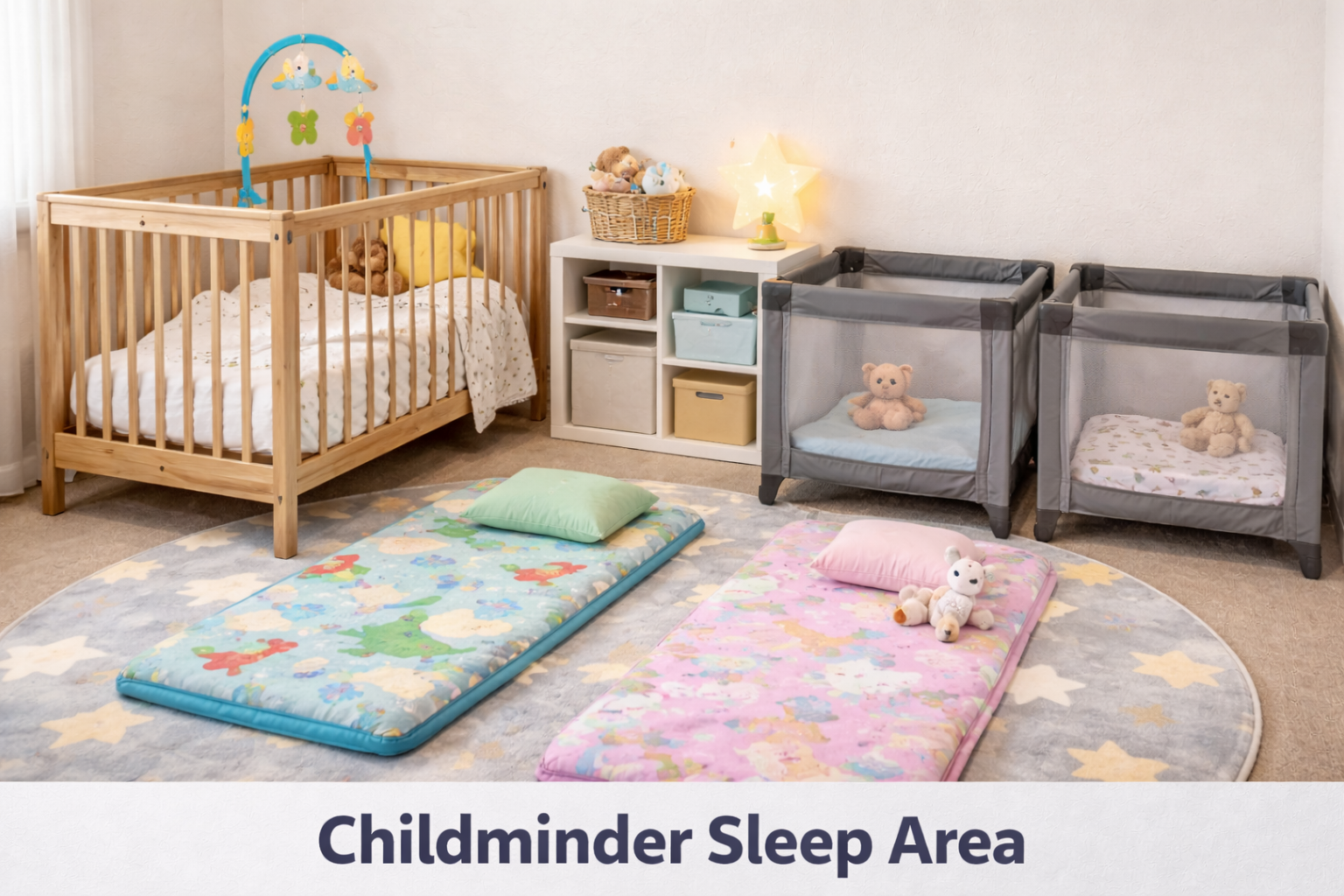
If children sleep in your care, Ofsted will check:
-
Safe sleep arrangements
-
Clear supervision
-
Individual bedding
Remember:
-
Children must sleep on their backs
-
No loose bedding or pillows for babies
-
Travel cots are acceptable
-
Regular visual checks must be explained
You don’t need a dedicated sleep room – just a safe, calm space.
Part 6: Outdoor Space (If You Have One)
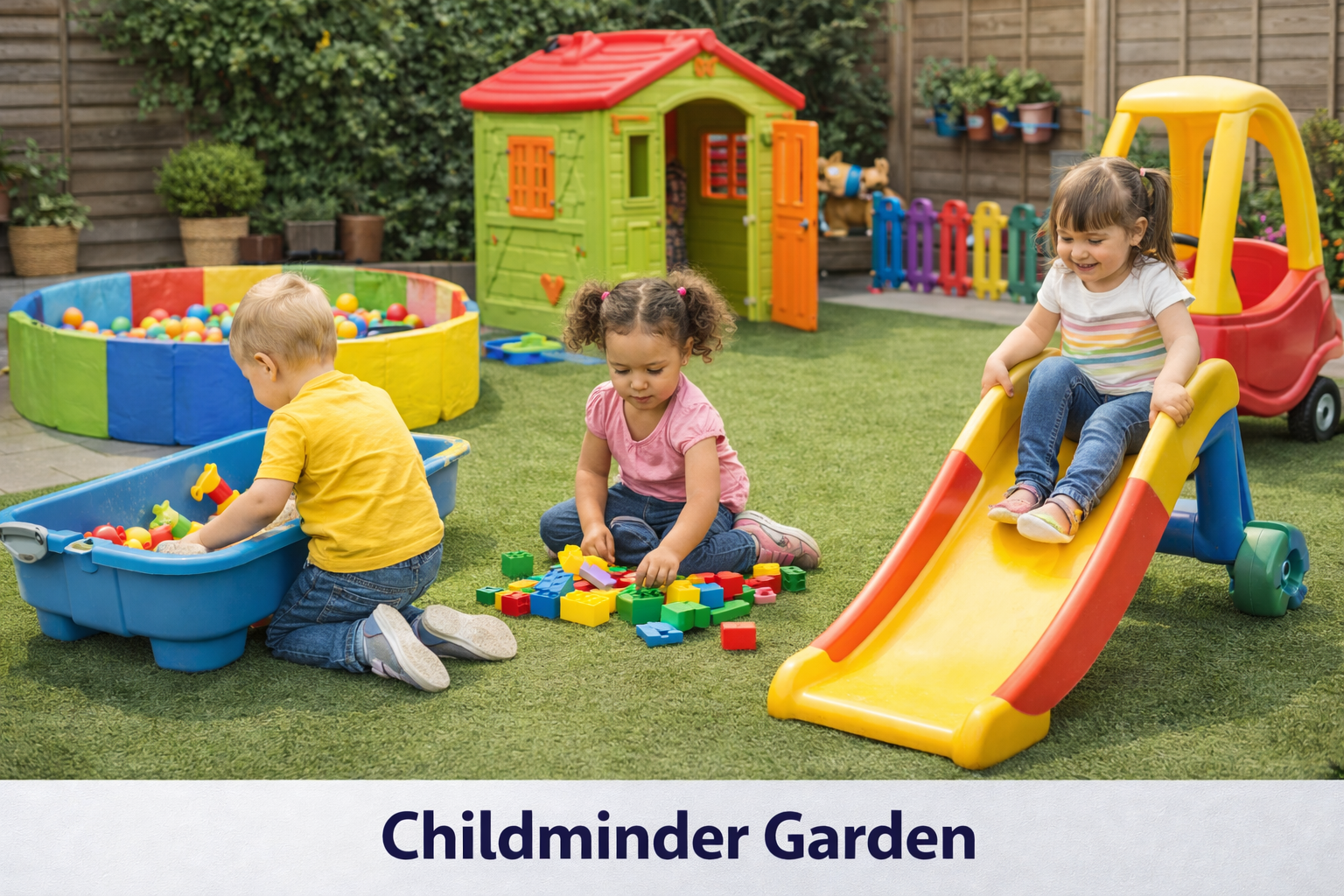
Outdoor space is encouraged but not mandatory.
If you have a garden:
-
Secure fencing
-
Risk assessments for equipment
-
Supervision at all times
If you don’t:
-
Explain how you access parks or outdoor activities
-
Show understanding of physical development
Ofsted values opportunities, not property size.
Part 7: Paperwork to Have Ready in Your Home
You should have access to:
-
Safeguarding policy
-
Behaviour management policy
-
Complaints procedure
-
Risk assessments
-
Emergency contacts
-
Daily routines
Inspectors often won’t read every document, they want to see you understand them.
Part 8: What Inspectors Commonly Ask
Be prepared to answer questions like:
-
How do you support children’s learning?
-
How do you manage behaviour?
-
What would you do if you had a safeguarding concern?
-
How do you communicate with parents?
-
How do you keep children safe in your home?
Confidence comes from preparation, not memorising answers.
If the EYFS still feels overwhelming, that’s normal.
Every childminder feels this way at the beginning.
That’s exactly why I created the Become a Registered Childminder in the UK – Step-by-Step Course.
Inside the course, you’ll get:
✔ Clear EYFS explanations (no jargon)
Understand what Ofsted wants and how to meet the requirements easily.
✔ Real examples from childminders I’ve trained
Learn how they passed inspection and set up their homes.
✔ Ready-made templates
Policies, contracts, risk assessments, planning sheets.
✔ Video walkthroughs of each step
So you never feel lost or overwhelmed.
✔ Everything for just £49
And you keep all your profits — no agency fees.