Have you ever noticed how some children barely say a word at nursery, while others talk non-stop? The difference isn’t just down to their personality, it’s about how we, as practitioners, support their communication every single day.
Communication and language sit at the heart of the Early Years Foundation Stage (EYFS). It shapes everything else from how children learn and form relationships to how confident they feel in the world around them. It is also one of the first things Ofsted look for when they walk into your setting. They are listening to the language you use, how you respond to children, and whether your interactions help them to think and talk more.
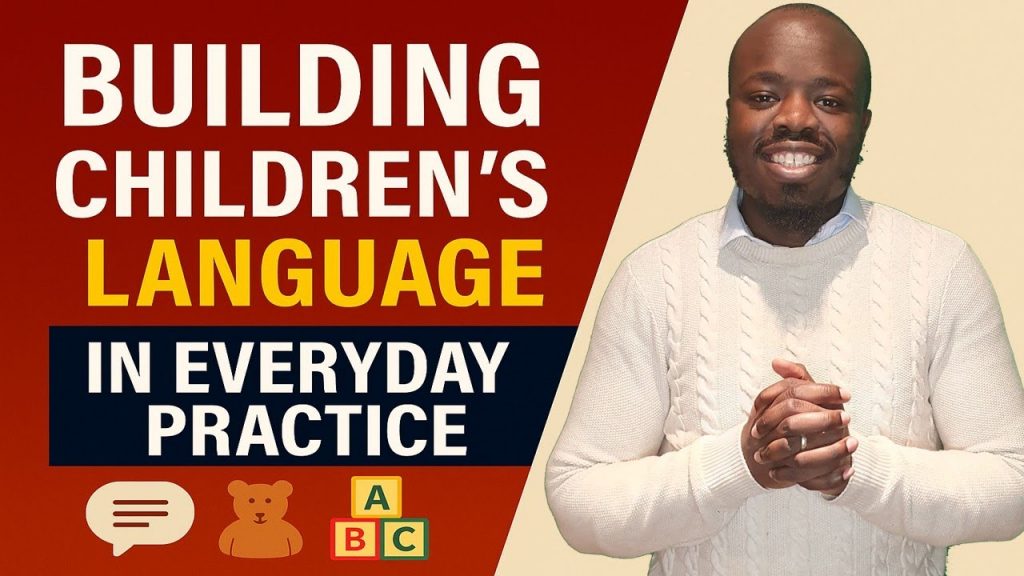
In this guide, we will explore how to build children’s communication and language in simple, everyday ways through play, conversation and those small moments that make a big difference.
Why Communication Matters More Than Ever
Research shows that a child’s vocabulary by the age of five is one of the strongest predictors of how well they will do in school. This means every conversation you have and every new word you introduce is literally shaping their future learning.
When Ofsted observes you, they aren’t just looking for “teaching”, they are looking for genuine engagement. They want to see you responding to children’s ideas, building their thinking and helping them find the words to express themselves.
If you want to ensure your team is ready for these observations, booking a Mock Inspection Ofsted Visit can provide the feedback needed to move from “Expected” to “Exceptional” practice.
The Power of Sustained Shared Thinking
One of the most powerful tools in your toolkit is something called sustained shared thinking. This is when you and a child (or a group of children) think through an idea or problem together.
It isn’t about giving them the “right” answer; it’s about exploring the answer with them. This could be as simple as:
- “I wonder why the water is flowing that way?”
- “What do you think will happen if we add another block?”
- “How can we fix this together?”
When you engage in these moments, you are teaching children how to think, not just what to say.
Practical Strategies for Everyday Play
You don’t need expensive equipment to build a communication-rich environment. You just need a change in approach.
- Narrate the Day: Talk about what you are doing while you do it. “I’m pouring the milk into the blue cup.” This helps children link words to actions naturally.
- The 10-Second Rule: Give children time to process. After you ask a question, wait. Don’t rush to fill the silence.
- Pairing for Success: Pair quieter children with more confident talkers during group play. This encourages peer-to-peer communication in a low-pressure way.
- Avoid Finishing Sentences: It can be tempting to help a child finish their thought, but it’s vital to avoid finishing their sentences for them. Let them find the words.
- Expand on Their Speech: If a child says “Car!”, you say “Yes, a fast, red car!” This introduces new vocabulary in a context they already care about.
The Practitioner Mindset: Connecting Over Talking
Strong communication practice isn’t actually about talking more, it’s about connecting more.
The best practitioners don’t just talk at children; they talk with them. They slow down, tune in and give children the space they need to lead the conversation. When children hear rich language used naturally in their environment, they begin to use it themselves.
Conclusion: Every Word Builds a World
Communication and language are not just EYFS requirements—they are the foundation of learning, confidence, and connection. By making these strategies part of everything you do, you are giving children the tools they need to thrive.
Remember, Ofsted doesn’t want to see scripted questions or polished lessons; they want to see curiosity, connection, and meaningful conversations.
Ready to Elevate Your Practice?
Every word you speak builds a child’s world. Let’s make them count.
Tags:
Building children’s communication and language, EYFS communication and language strategies, Sustained shared thinking early years, Ofsted communication expectations, Early years vocabulary development, Nursery practitioner interactions, Early years speech and language, Communication-rich environment, Early years curriculum intent, Ofsted inspection preparation, Nursery manager tips, Early years pedagogy, Key person role communication, Child development language milestones, Effective questioning in EYFS

 Go From Nursery Worker to Nursery Owner In Just 6 Months